Disneyland Analysis: Behind the Scenes of the Magical Kingdom!
Oct 30, 2026 - 7 minute read
Disney has spent decades selling one idea: that for a day, a theme park can feel like the inside of a fairytale. Six resorts on three continents now carry that promise, from Anaheim and Florida to Paris, Tokyo, Hong Kong and Shanghai, and millions of people save, plan and queue to test it every year.
But a fairytale is a hard thing to deliver at scale. The castle is real, and so are the three-hour lines, the ticket prices and the crowds. So is Disneyland still the happiest place on earth, or does the magic fade somewhere between the ticket gate and the fourth hour of waiting?
We asked the only people who can really answer: the visitors, through the customer feedback they left after their trip.
Methodology
We collected 2,875 pieces of customer feedback from Tripadvisor and Google Maps for six Disney resorts: Disneyland Paris, Walt Disney World in Florida, Disneyland Resort in Anaheim, Tokyo Disney Resort, Hong Kong Disneyland Resort and Shanghai Disney Resort. Then we analyzed it in Kimola.
Kimola grouped the feedback into themes and measured the sentiment of each theme separately, so a visitor who loved the fireworks but not the queues counts on both sides. The Motivations dimension showed why people go, and the Personas dimension showed who they are. Each motivation also comes with a net promoter score (NPS), a measure from -100 to 100 of how likely visitors in that group are to recommend the experience.
The magic, it turns out, depends a lot on who you ask.
Motivations: Why Do People Go to Disneyland?
Kimola’s Motivations dimension reads each piece of feedback for the reason behind the visit. Four motivations stood out, and because a single piece of feedback can mention more than one, the percentages add up to more than 100:
Amusement Park Experience (41%)
"I want to ride roller coasters and pass out from the adrenaline!" Hello, thrill-seekers! Hopefully, your love for speed applies only to roller coasters. But it looks like the main thing you’ll need patience for is the never-ending lines because the amusement park experience has an NPS of 32. Many visitors complain about excessive wait times and overcrowding at various Disney parks, significantly diminishing the magical experience.
Family Experience (32%)
"I’m here so my kids can be happy." These parents sometimes end up wondering, "Why am I here?" Rising costs, long wait times and limited character interactions can weigh on the family experience. Imagine little ones reaching the end of their Disneyland trip without hugging Mickey even once. Honestly, even as an adult, if I visited Disneyland and didn’t get to hug Mickey, I’d probably cry at the same volume. Despite these challenges, families still love creating memories together, and they give the experience a net promoter score of 57, recommending Disneyland as a family destination.
Nostalgia and Magical Atmosphere (31%)
"I couldn’t come as a child, so I’m here now." Nostalgic visitors are thrilled to step into the world of the characters they grew up with and immerse themselves in the magical atmosphere. They deeply appreciate the enchanting rides, stunning decorations and festive events. The NPS from visitors driven by nostalgia and the magical atmosphere is 67, the highest of any motivation. What keeps it from going higher are excessive crowds, long lines and inflated prices.
Food Quality (26%)
The NPS for food quality is -2, the only negative score among the four. Many visitors describe the food as overpriced and generally mediocre, and long waits for meals add to the frustration. Disneyland sells magic, but its culinary offering often falls short of expectations.
The order of these scores says something important. The more a motivation depends on emotion, the higher it scores: nostalgia (67) beats family time (57), which beats the rides themselves (32), and food (-2) comes last. Disney’s strongest asset is the feeling it sells, while the parts of the visit that can be measured in minutes and dollars are where it loses people.
Personas: Who Visits Disneyland?
Not everyone who walks through the gates is looking for the same thing. Kimola’s Personas dimension groups visitors by the needs and priorities they reveal in their own words, and seven personas emerged. The two largest, together 42% of visitors, are defined less by their love of Disney than by budgets and planning.
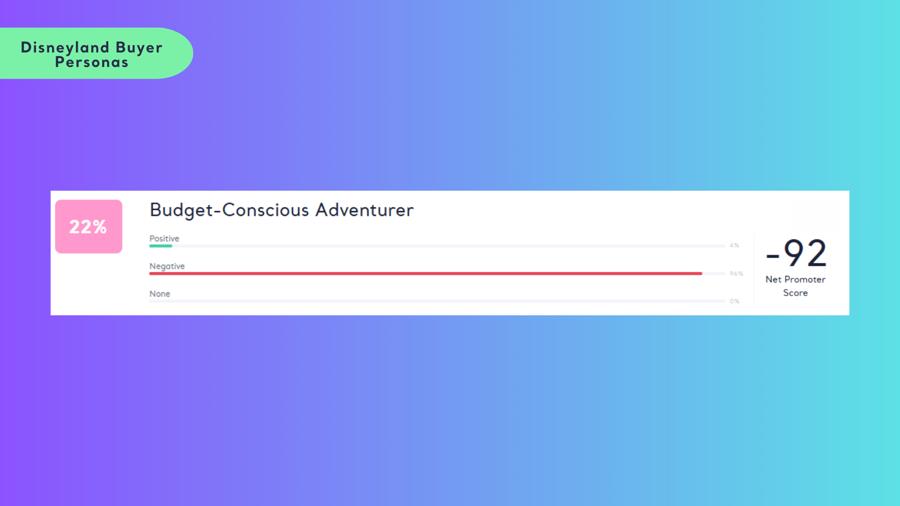
Budget-Friendly Adventurer (22%)
"I paid for the ticket, so now I’m sleeping on the grass." This persona is financially savvy and always looks for the best deals. They extensively research before a trip, seeking discounted tickets, affordable accommodations, and budget-friendly food options. They compare experiences across different parks to find the most excitement for the least expense. While they love Disney, they equally value their budget and won’t hesitate to voice concerns if prices are too high.
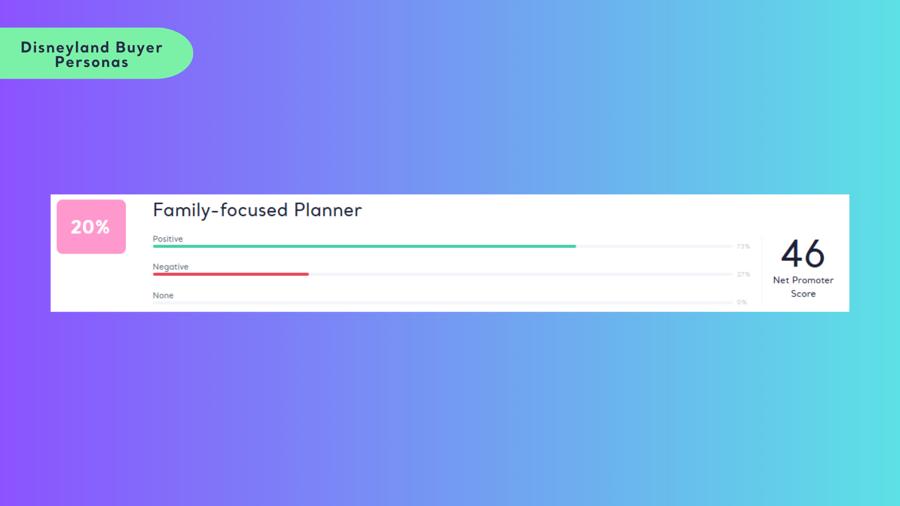
Family Planner (20%)
"Kids should have fun, sure, but why did I need a bank loan for this?" This persona is a devoted parent or guardian who puts family experiences first. They plan vacations meticulously to make sure their children get their magical moments, and they want the best value for their money across activities, accommodation and dining. They enjoy sharing tips with friends and family and often look for recommendations from previous visitors.
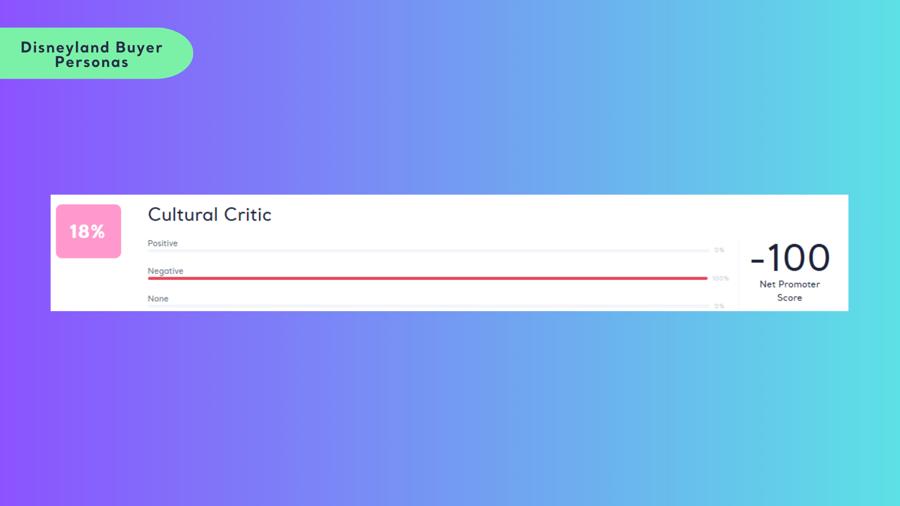
Cultural Critic (18%)
This persona openly and critically observes Disney’s cultural representation and business practices. They appreciate the artistry of the parks but criticize the perceived commercialization and corporate greed. They are likely to be disappointed with the current state of the parks and frequently compare their experiences to previous visits or other theme parks. This persona seeks an authentic and immersive experience that respects the park’s legacy.
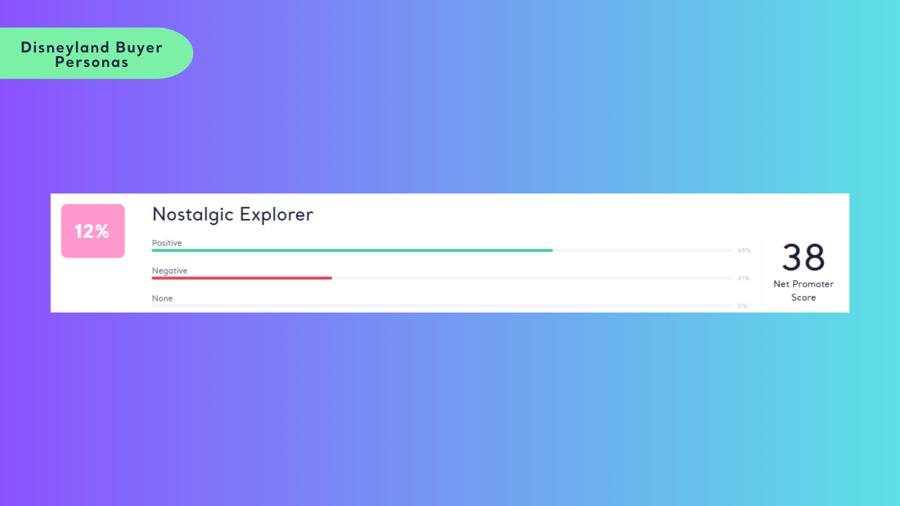
Nostalgic Explorer (12%)
"I couldn’t shake Mickey’s hand as a child, so I’m here today." This persona is an adult reliving childhood memories by visiting Disney parks. They often return to recreate the magic with their own family or friends. They cherish the park’s emotional elements, such as classic rides and beloved characters. However, while they love nostalgia, they have noticed changes over the years and often express concerns that the experience doesn’t match their memories.
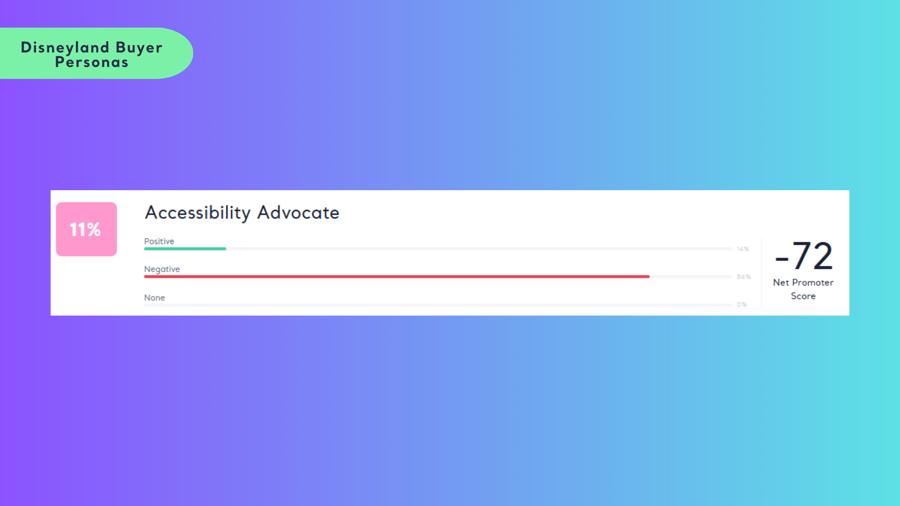
Accessibility Advocate (11%)
"Disney has a magical world, but the magic hasn’t quite reached wheelchair accessibility yet." This persona is often a visitor with a disability or someone accompanying one. They pay close attention to accessibility provisions and the overall inclusivity of the park experience, looking for information on disability services, wait times and ride access. Their feedback can be critical, because they are advocating for parks that work for every kind of visitor.
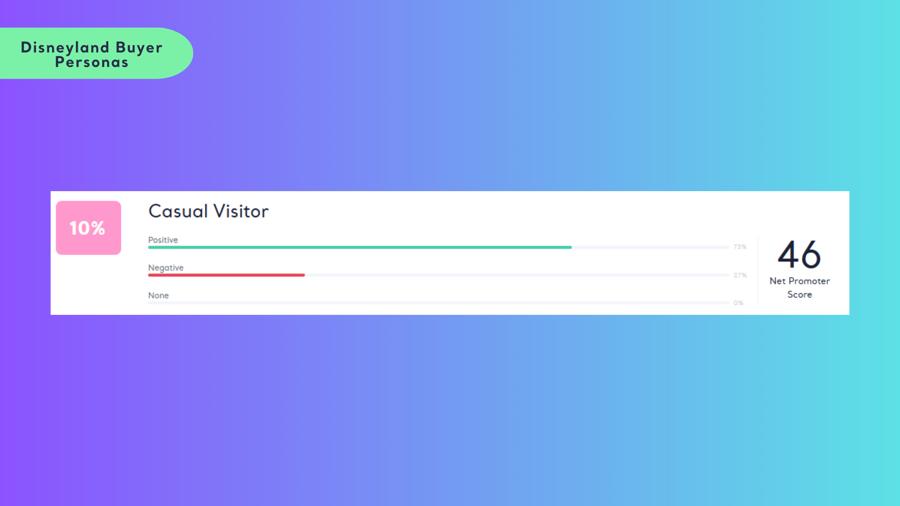
Casual Visitor (10%)
This persona may not have a strong attachment to Disney but is open to experiencing the parks. They might visit for a special occasion, such as a birthday or family gathering. Their expectations are moderate, and they appreciate a well-rounded experience that includes fun rides, entertainment, and a warm atmosphere. They enjoy the whimsical elements of Disney but may not have extensive knowledge like die-hard fans.
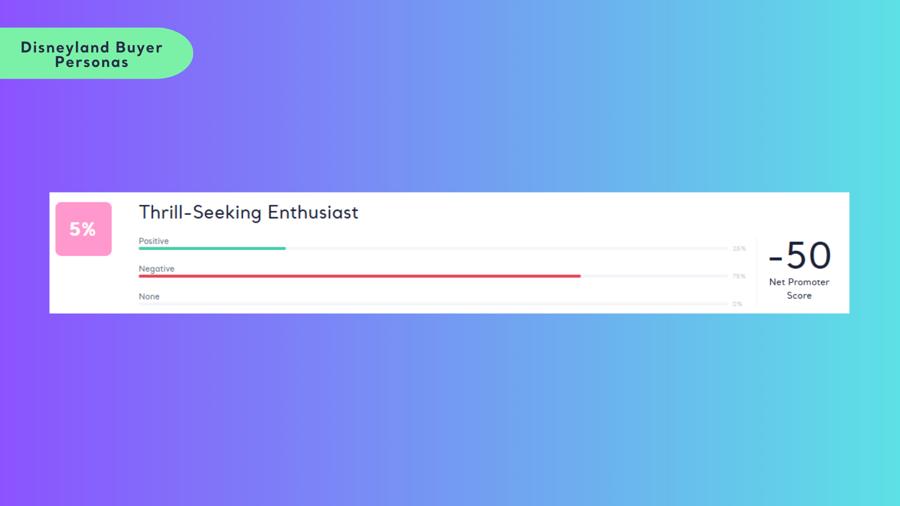
Adrenaline Junkie (5%)
"Forget everything else, just show me the fastest roller coaster!" This persona is an adventurous individual or group looking for thrills. They are drawn to the newest and most exhilarating rides and try to make the most of their time in the parks, often using apps or guides to cut down wait times. They are less interested in family attractions and love documenting their adventures on social media.
The Ideal Disneyland Experience: What Should It Be Like?
If Disneyland wants to deliver the dream-like experience it promises, the feedback points to a short list of changes:
Reduce Wait Times
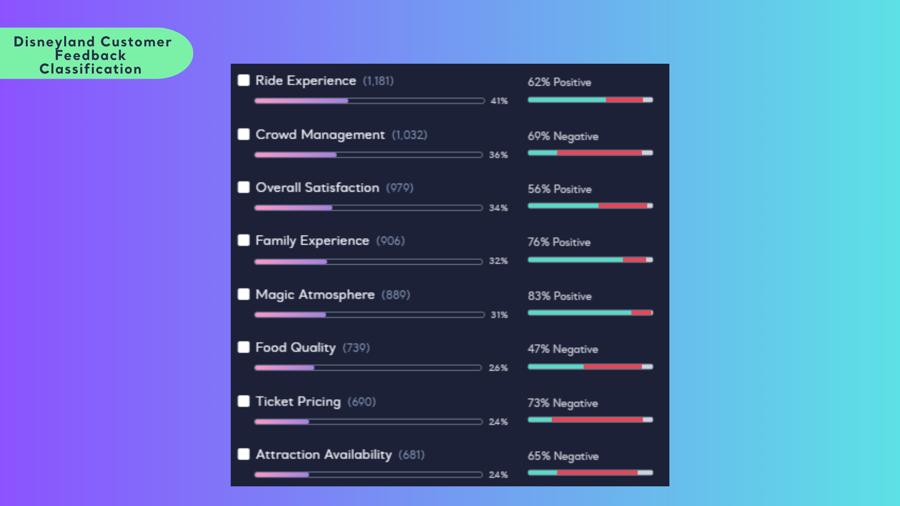
Crowd management received 69% negative feedback. Three-hour lines for a two-minute ride? Something’s off here.
Make Prices More Reasonable
Ticket prices received 73% negative feedback. A bucket of popcorn shouldn’t cost as much as a car payment.
Increase Character Interactions
People don’t come for the long lines. They want to hug Mickey!
Improve Customer Service
Customer service received 73% negative feedback. Staff shouldn’t greet guests with a "Why are you here?" look.
Better Crowd Control
Right now, Disneyland can feel more like "The Park of Endless Lines."
What Visitors Are Really Saying
Disneyland remains a magical place for millions. The feedback shows that the magic itself is rarely the problem: nostalgia and family time are what visitors recommend most. What wears it down are the long waits, the prices and the feeling that Mickey might not even see you. If the parks want to improve the visitor experience, the work starts with crowd management, fair pricing and a system that doesn’t make guests feel they have aged while waiting in line.
This is where customer feedback earns its place in research. A satisfaction score would tell Disney that most visitors had a good day. Customer feedback tells it which visitors, for what reasons, and exactly which parts of the day pulled the score down, which is the kind of understanding market research is supposed to deliver.
After all, the customer is always right, but at Disneyland the customer is mostly waiting.
Kimola is an AI platform that turns customer feedback into enterprise-grade market research. It analyzes location and marketplace feedback, survey responses, support conversations and social discussions the way a research team would, organizing them into themes, sentiment and research Dimensions such as motivations, pain points and personas. If you don’t have feedback of your own yet, or want to study a competitor, you can create a report by adding links to pages on Google Business, Tripadvisor, Trustpilot and other supported platforms, and Kimola collects and analyzes the customer feedback on those pages.
Small and medium-sized businesses can subscribe to one of Kimola’s online plans and run studies like this one on their own, whether for a one-off study or ongoing research. For enterprises, Kimola works as an organization-wide insight hub. Accounts are set up together with a dedicated Account Manager, feedback is classified with the organization’s own custom Models, and every team, from research and product to customer experience, works from a common insight language.
If you run an attraction, a theme park, a resort or any business that sells a day out, create a free account and run the same analysis on your own venues and your competitors’. If you are planning research across your whole organization, request a demo to see how Kimola works with your own data.